
Eurovision
Skrellex Stands Alone: The Only MGP Finalist Speaking Out Against Israel
27/02/2026Norway’s MGP final erupts in controversy as eight artists refuse to comment on Israel’s Eurovision entry, while Skrellex stands alone…

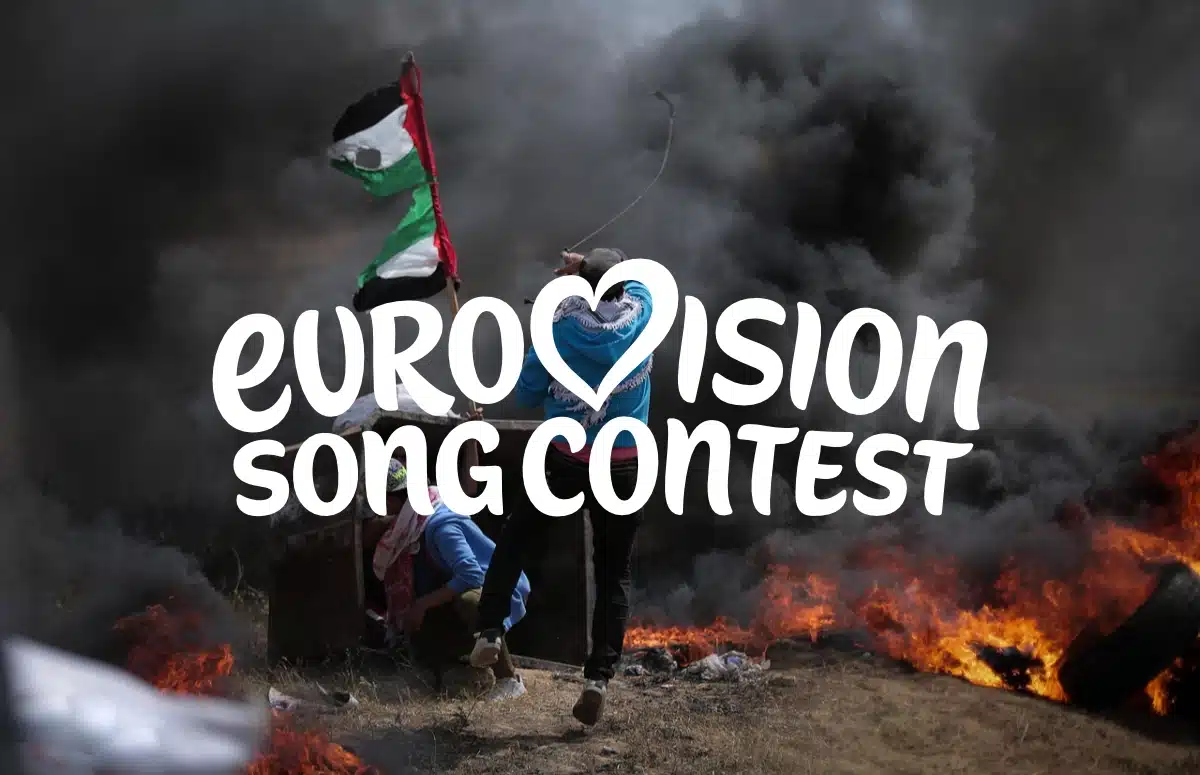
In a move that has sent shockwaves through the Eurovision community, the board of RÚV — Iceland’s national broadcaster — has voted to urge the European Broadcasting Union to bar Israel from next year’s Eurovision Song Contest. The resolution, confirmed by RÚV chair Stefán Jón Hafstein, passed by a narrow majority at the board meeting on 27 November 2025, with five of nine members in favour.
The decision, framed by supporters as a principled stand, comes amid growing calls across parts of Europe for contest organisers to weigh political and ethical considerations when deciding who may take part. RÚV’s board says it has formally instructed the EBU to exclude Israel from the 2026 contest, and has left open the question of whether Iceland will participate if the EBU declines to act.
«A matter of principle», the board’s supporters insist. Backers argue that Eurovision, while a celebration of music and culture, cannot be blind to serious international concerns and that broadcasters have a duty to uphold the contest’s reputation and values. For them, the vote was not about music but about accountability and the integrity of a pan‑European event watched by millions.
The resolution’s passage was met with immediate debate. Proponents hailed the move as courageous and necessary, saying broadcasters must sometimes take difficult decisions to protect the spirit of the contest. Critics warned that politicising Eurovision risks fracturing the event’s long‑standing role as a unifying cultural platform.
RÚV’s stance also raises practical questions for Icelandic fans. With the board signalling that Iceland’s participation could hinge on the EBU’s response, supporters of the national entry are left in limbo. Organisers and artists now face the prospect of preparing for a contest that may look very different by spring.
The EBU, which oversees Eurovision, has the final say on eligibility and rules. RÚV’s formal request places the organisation squarely under pressure to respond — and quickly. Whatever the outcome, the broadcaster’s vote has already reshaped the conversation around what Eurovision should represent in an increasingly complex world.
For now, Icelanders and Eurovision followers across Europe will be watching the EBU closely — and waiting to see whether music will once again be allowed to speak louder than politics, or whether the contest will be forced to confront the very real tensions playing out beyond the stage.
Norway’s MGP final erupts in controversy as eight artists refuse to comment on Israel’s Eurovision entry, while Skrellex stands alone…
Toronto indie pop artist Aman Dhesi releases his debut album «The Restless Night», featuring the shimmering lead single «Dancefloor Shoes».…

Week 14 of Outed on Friday! brings the noise with new tracks from Genny Random, Alex Woburn, Liora, Binoy and…
Peter Jöback wrote «Spectrum of Love», Stockholm Pride 2025's anthem, with Ed Harcourt & Kathryn Williams. This song celebrates love,…
