
Eurovision
Skrellex Stands Alone: The Only MGP Finalist Speaking Out Against Israel
27/02/2026Norway’s MGP final erupts in controversy as eight artists refuse to comment on Israel’s Eurovision entry, while Skrellex stands alone…

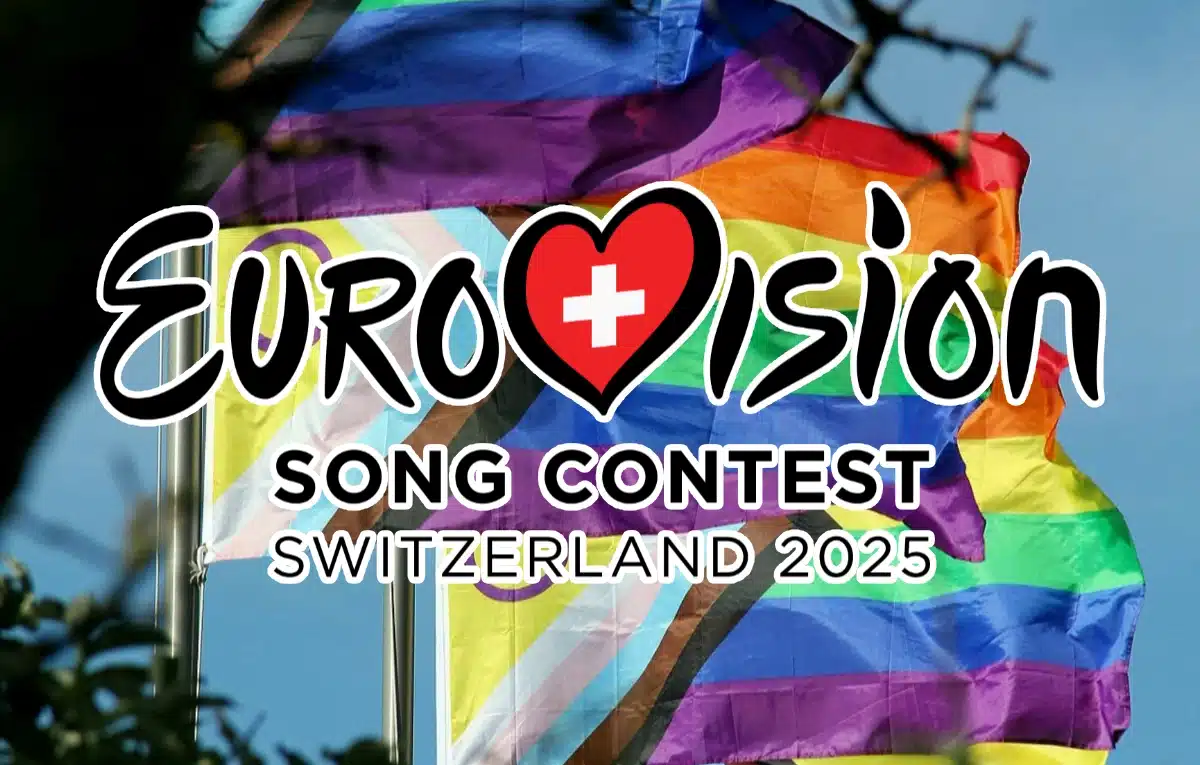
The Eurovision Song Contest, celebrated for its vibrant celebration of diversity and culture, is facing backlash due to its recent policy banning contestants from using the rainbow flag, DR reports. This decision has sparked debate surrounding inclusivity and the treatment of LGBTQ+ individuals during one of the world’s largest music competitions.
Last year’s event in Sweden unveiled a troubling pattern where fans’ pride flags were confiscated, causing outrage among EU politicians. The organizers, the European Broadcasting Union (EBU), recognized the discontent and pledged to review their flag policy. However, this year, the new regulations suggest a conflicting stance. Participants are prohibited from displaying the rainbow flag, despite the audience being allowed to wave it alongside other flags like the Palestinian flag.
By enforcing such bans, Eurovision signals a restriction on the expression of identities at an event aimed at fostering unity. Many see this as an endorsement of homophobia on the Eurovision stage, overshadowing its purpose as a platform for inclusivity. Notably, Nemo, the Swiss winner, expressed their frustration after having to ‘smuggle’ a non-binary flag past security last year. Such experiences highlight the struggle for visibility and acceptance within the competition, undermining its foundational values.
As viewers and supporters of diversity advocate for a more inclusive Eurovision, it remains vital for the organization to reassess its policies. An open dialogue about freedom of expression and the meaning of inclusivity can foster a more welcoming environment for all contestants and their supporters.
Norway’s MGP final erupts in controversy as eight artists refuse to comment on Israel’s Eurovision entry, while Skrellex stands alone…
Toronto indie pop artist Aman Dhesi releases his debut album «The Restless Night», featuring the shimmering lead single «Dancefloor Shoes».…

Week 14 of Outed on Friday! brings the noise with new tracks from Genny Random, Alex Woburn, Liora, Binoy and…
Peter Jöback wrote «Spectrum of Love», Stockholm Pride 2025's anthem, with Ed Harcourt & Kathryn Williams. This song celebrates love,…
